

Rising cases of plague in Pakistan’s Punjab province raise public health concerns in South Asia.
WHAT’S THE NEWS?
Pakistan’s Punjab province has reported a sharp rise in plague cases and deaths. The outbreak is severe in eastern districts such as Lahore, Sargodha, and Multan. Health authorities have started awareness campaigns and monitoring measures.
KEY POINTS
• More than 7,000 cases reported in one week.
• Over 5,000 deaths recorded.
• Eastern districts are the worst affected.
• Plague is caused by bacteria and spreads through infected fleas and rodents.
• Public health campaigns are underway to control transmission.
HOW IT WORKS • Plague is caused by the bacterium Yersinia pestis.
• It spreads mainly through bites of infected fleas.
• Rodents such as rats act as carriers.
• In severe cases, infection can spread to lungs causing pneumonic plague, which spreads through respiratory droplets.
• Early diagnosis and antibiotics are essential for survival.
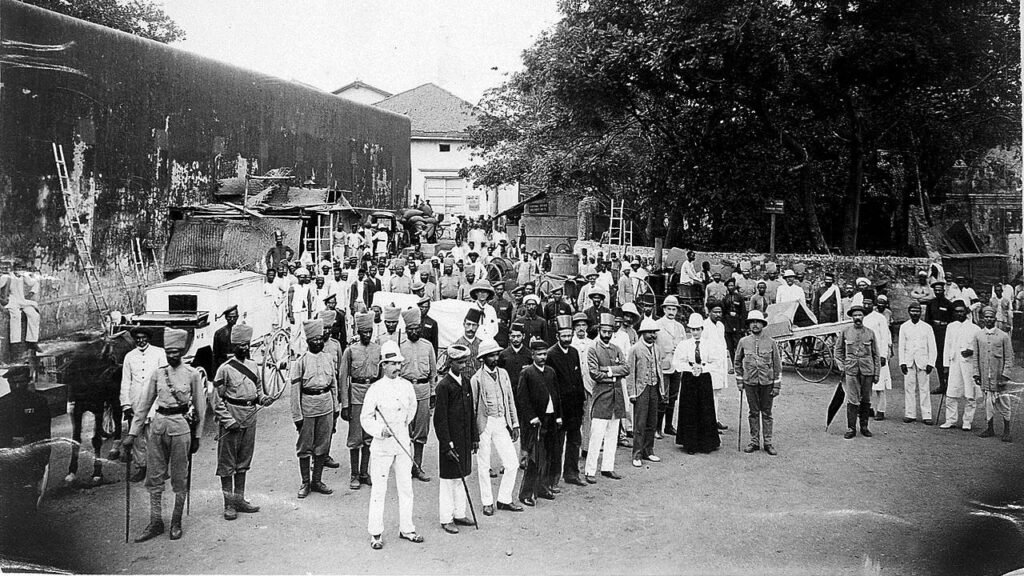
EXAMPLES
• The Black Death in Europe during the 14th century was one of the deadliest plague outbreaks in history.
• Madagascar frequently reports modern plague outbreaks.
• India witnessed a plague outbreak in Surat, Gujarat in 1994.
WHY IT MATTERS
• Highlights weaknesses in public health infrastructure.
• Cross-border disease spread can affect South Asia.
• Important for disaster management and public health governance.
• Relevant for understanding epidemic preparedness and WHO response systems.
THE BIG QUESTION
How can developing countries strengthen disease surveillance, sanitation, and healthcare systems to prevent large-scale epidemic outbreaks?
UPSC PRELIMS FOCUS
• Plague – causative organism, transmission, prevention.
• Zoonotic diseases.
• WHO and global disease surveillance mechanisms.
• Epidemic Diseases Act and public health measures.
UPSC MAINS FOCUS
GS Paper II – Issues relating to public health, governance, and international cooperation in disease control.
GS Paper III – Disaster management and internal security dimensions of epidemics.
SUMMARY The plague outbreak in Punjab province reflects the continuing challenge of infectious diseases in densely populated regions. Strong healthcare systems, sanitation, early surveillance, and international cooperation remain essential to prevent future epidemics.