
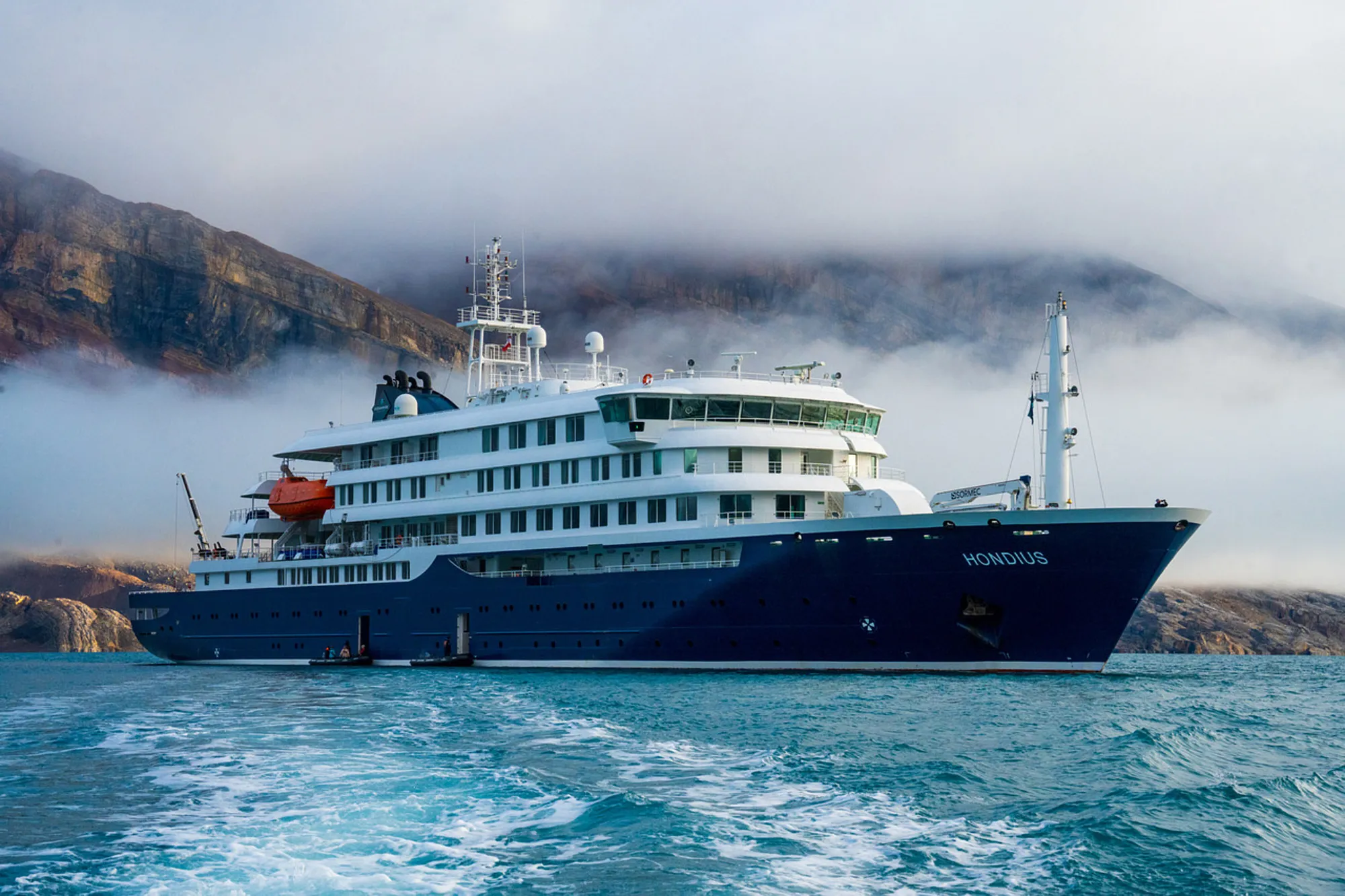
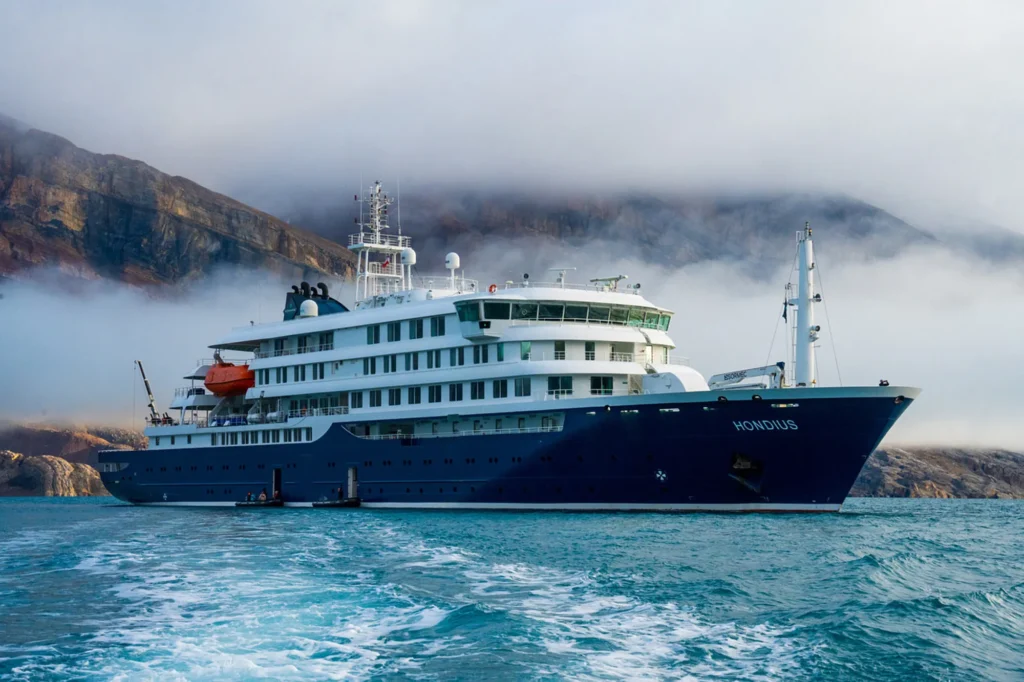
A hantavirus outbreak on a cruise ship in the Atlantic Ocean has caught global media attention and triggered a lot of COVID trauma. The Dutch-flagged passenger ship the MV Hondius was cleared on Wednesday to dock in the Canary Islands, after three passengers were evacuated at Cape Verde.
Seven people aboard the MV Hondius have fallen ill with hantavirus since the vessel left Ushuaia, Argentina, on April 1: three people have died, one is critically ill, and at least three others have symptoms, according to the World Health Organization (WHO). Those evacuated at Cape Verde will be taken to the Netherlands for treatment. Two are suffering acute symptoms, while the third was in close contact with a passenger who died last week. Suspected cases of hantavirus have cropped up in France, Germany, and Switzerland, all among patients who left the ship at earlier ports of call, or had contact with passengers.
What is hantavirus?
Hantaviruses are a family of viruses that cause disease in humans, usually hemorrhagic fever with renal syndrome (HFRS) and hantavirus cardiopulmonary syndrome (HPS). They are named after the Hantan River in Korea, where scientists first identified the pathogen when UN troops deployed along its banks fell ill with HFRS.
The ‘Andes strain’ circulating aboard the MV Hondius is typically found in Argentina and Chile, and causes HPS, rather than the less-deadly HFRS.
What are the symptoms of hantavirus?
Patients suffering with HPS may exhibit flu-like symptoms, including fever, extreme fatigue, muscle aches, stomach pain, nausea, vomiting, diarrhea, or shortness of breath. As the disease progresses, patients can develop an elevated heart rate, irregular heartbeat, hypertension, and buildup of fluid in the lungs and chest cavity.
How is hantavirus spread?
Hantaviruses are carried by rodents, and spread to humans through contact with their droppings, urine, or saliva. Different species of rodents carry different hantaviruses: in the case of the Andes strain, it is carried by the long-tailed pygmy rice rat.
According to the WHO, the Andes strain is the only hantavirus that can be transmitted from human to human. “When it occurs, transmission between people has been associated with close and prolonged contact, particularly among household members or intimate partners,” the organization stated on Wednesday.
How did the virus get on the cruise ship?
Argentinian officials have told that they believe a Dutch couple contracted the virus while bird watching at a landfill site in Ushuaia before boarding the ship. As an investigation is ongoing, the officials insisted on remaining anonymous.