
The Core Initiative
• The Union Health Ministry has launched a structured national framework for the screening, diagnosis, and long-term management of childhood diabetes.
• The primary goal is to ensure universal diabetes screening for all children in India, from birth up to 18 years of age.
• Suspected cases will receive immediate blood glucose testing and timely referrals to district-level facilities for confirmation and treatment.
Comprehensive Free Care Package
• A central feature of the new framework is the provision of free, comprehensive care at public health facilities to reduce the financial burden on families.
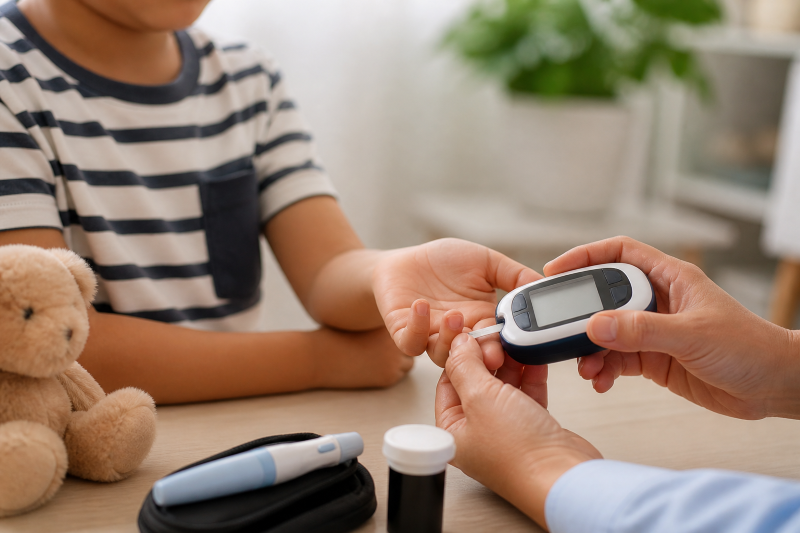
• This care package covers screening, diagnostic services, lifelong insulin therapy, and regular follow-up care. • Essential monitoring devices, such as glucometers and test strips, will also be provided at no cost to ensure uninterrupted treatment.
Integrated Healthcare Approach
• The system is designed as a seamless continuum of care to ensure no child is lost in the healthcare system.
• It directly links initial community-level screening with district hospital-based management and advanced care at medical colleges.
• This initiative places India among a select group of nations integrating childhood diabetes care directly into the public health infrastructure.
The “4Ts” Awareness Framework
• The guidelines strongly promote the “4Ts” framework to help parents, teachers, and caregivers spot the early warning signs of Type 1 diabetes:
• Toilet: Frequent urination.
• Thirsty: Excessive and unquenchable thirst.
• Tired: Unusual or extreme fatigue.
• Thinner: Unexplained weight loss.
Family Empowerment and Expected Outcomes
• The framework emphasizes structured training for families and caregivers, covering insulin administration, daily disease management, and emergency response protocols.
• It provides evidence-based treatment guidelines to prevent severe complications, such as nerve and blood vessel damage, caused by uncontrolled blood sugar (hyperglycaemia). • Expected long-term public health benefits include reduced mortality through early detection, improved quality of life for affected children, and lower overall healthcare costs.