
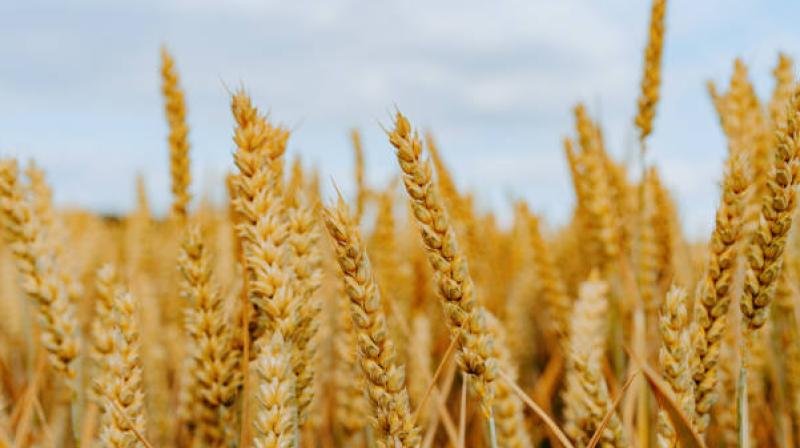
Record wheat procurement in 2026 highlights improved food security, farmer participation, and government buffer stock management.
WHAT’S THE NEWS?
- India’s wheat procurement crossed 34 million tonnes during the 2026 procurement season.
- Government agencies increased purchases due to higher arrivals in mandis and better farmer participation.
- The rise came despite concerns over climate-related heat stress affecting wheat production.
KEY POINTS
- Procurement mainly done by Food Corporation of India (FCI) and state agencies.
- Major wheat-producing states: Punjab, Haryana, Madhya Pradesh, Uttar Pradesh, and Rajasthan.
- Higher procurement helps maintain buffer stock for food security.
- Wheat is distributed under the Public Distribution System (PDS).
- Government purchases wheat at Minimum Support Price (MSP).
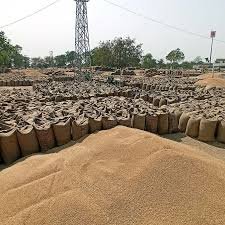
HOW IT WORKS
- Farmers bring wheat to procurement centres/mandis.
- Government agencies purchase wheat at MSP.
- Grains are stored in FCI warehouses and silos.
- Stocks are later used for welfare schemes and market stabilization.
EXAMPLES
- Punjab and Haryana traditionally contribute major shares to wheat procurement.
- Madhya Pradesh has recently emerged as a strong contributor due to bonus incentives and increased production.
WHY IT MATTERS
- Ensures national food security and buffer stock maintenance.
- Supports farmers through assured prices.
- Helps control inflation and stabilize wheat availability.
- Important for welfare schemes such as PM Garib Kalyan Anna Yojana and NFSA.
SUMMARY
- India’s record wheat procurement reflects strong government intervention in food management and agricultural support.
- Efficient procurement and storage are crucial for food security, farmer welfare, and economic stability.