
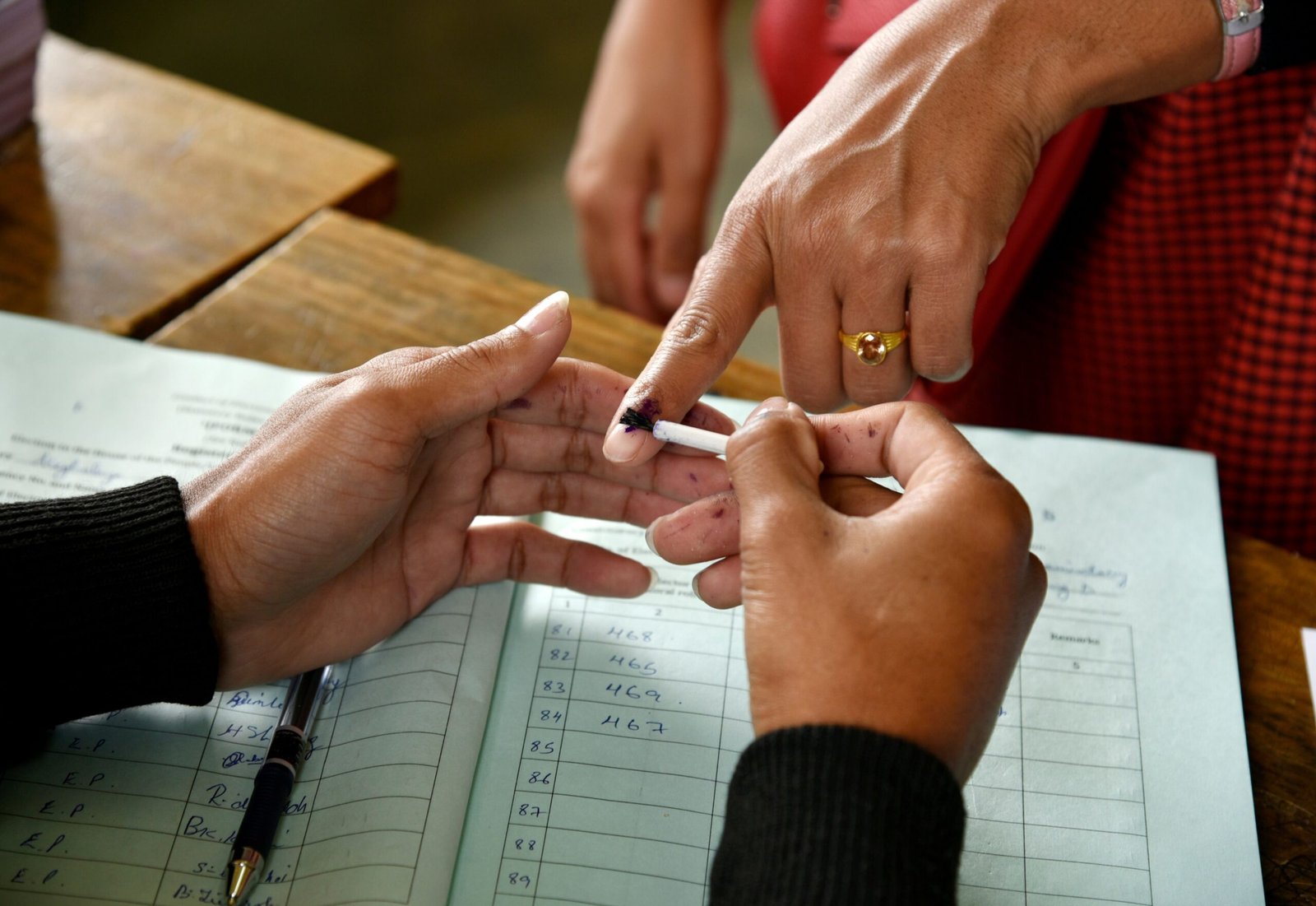
The Core Trend
• Voter turnout in India has been steadily increasing over the past decade across the vast majority of states.
• Data indicates this is a sustained, long-term deepening of electoral engagement rather than a sudden phenomenon or a trend isolated to specific regions.
Widespread Growth Across Diverse States
• Higher participation is visible across states with vastly different geographies, social compositions, and political landscapes.
• States with historically lower turnouts have seen significant jumps. For instance, Uttar Pradesh moved from 45.96% in 2007 to 61.08% in 2022, and Bihar grew from 52.73% in 2010 to 67.67% in 2025.
• Consistent upward trends have also been recorded in states like Gujarat, Goa, Manipur, Karnataka, Madhya Pradesh, Rajasthan, Chhattisgarh, Andhra Pradesh, Odisha, and Jharkhand.
Continued Rise in High-Turnout States
• States already known for high voter participation have continued to expand their voter bases.
• West Bengal serves as a prime example, with turnout growing from 84.72% in 2011 to 92.47% in 2026, proving that highly competitive states can still see increased mobilization.
• Similar upward trajectories are visible in Kerala, Tamil Nadu, Arunachal Pradesh, and Puducherry.
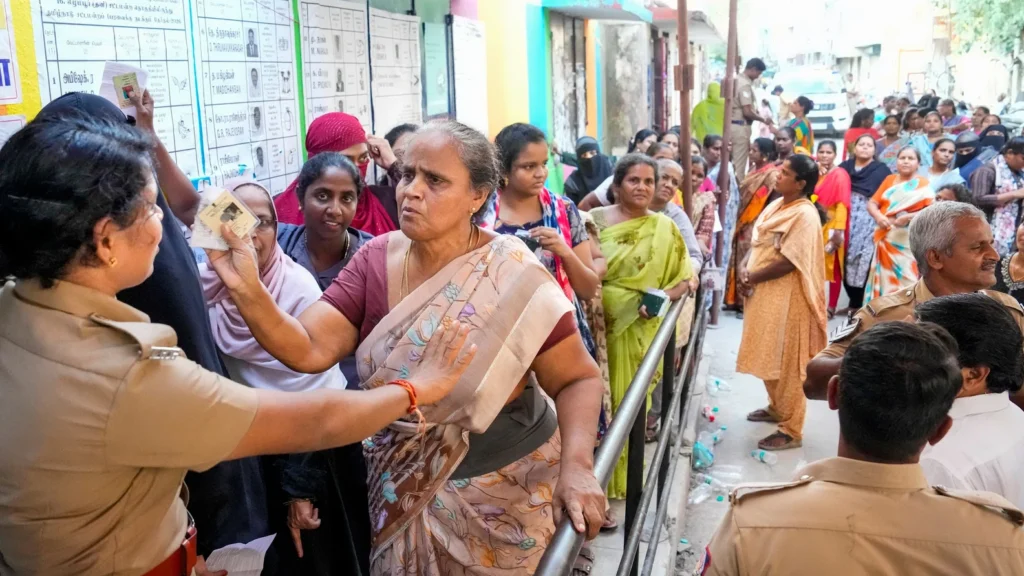
Exceptions to the Trend
• The upward trajectory is not universal, highlighting that local political conditions, competition, and administrative factors still heavily influence turnout.
• States like Punjab (falling from 76.04% in 2007 to 72.15% in 2022) and Haryana have seen a decline in voter participation.
• Other states, including Meghalaya, Mizoram, Nagaland, and Tripura, have shown either a decline or near-stability over time.
The Role of Special Intensive Revision (SIR) and Overall Impact
• While recent exercises like the Special Intensive Revision (SIR) may have boosted turnout percentages by recalibrating the eligible voter base, their impact is additive rather than foundational.
• The data firmly establishes that the upward movement was well underway before these administrative recalibrations. • Ultimately, this nationwide increase reflects stronger political engagement, more effective mobilization by parties, better awareness, and a growing public sentiment that elections matter.