

CONTEXT:
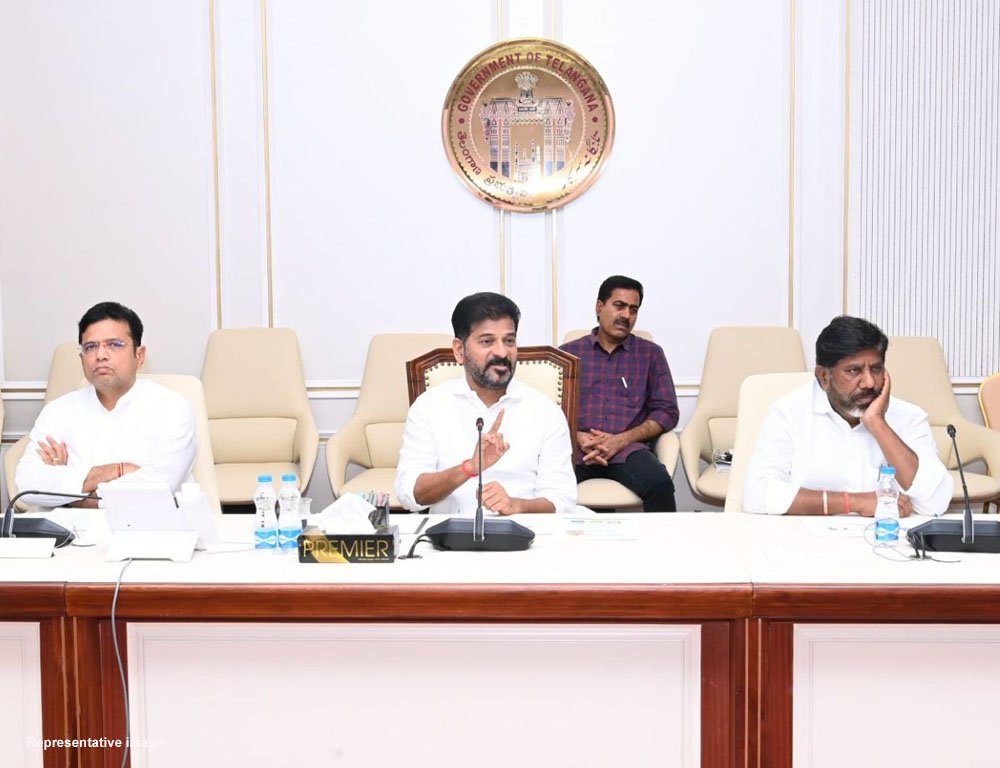
- The Telangana State Cabinet has officially approved the notification of 51 distinct castes as Denotified Nomadic and Semi Nomadic Tribes, enabling their inclusion and eligibility for targeted Central Government welfare schemes.
KEY DECISIONS ON CLASSIFICATION AND CERTIFICATION
- The cabinet approved the categorization of 49 castes from the BC A group and 2 castes from the BC E group under the new classification.
- The comprehensive study and subsequent recommendations for this transition were spearheaded by the State Backward Classes Commission after conducting extensive field level reviews.
To streamline the administrative process, the government has mandated that the new certificates will be officially issued under the authority of the Revenue Divisional Officers.
CASTE NOMENCLATURE MODIFICATIONS AND SYNONYMS
- The term Dommara has been completely removed and will be officially recognized as Gadavansheeya under Group A Serial Number 7.
- The historically used word Pichakuntla is eliminated and replaced with the dignified term Vamsharaj under BC A Serial Number 18.
- Under BC D Serial Number 29, the nomenclature Shudra has been removed and formally replaced with Tammali Non Brahmin.
- For the Budadabukkala community categorized under BC A Number 4, the title Shivakshatriya has been officially added as a recognized synonym.
- The term Vannar in BC A Number 5 is removed, introducing Dhobi as a synonym, grouping Chakali Rajaka and Dhobi under one umbrella for certification.
- The title Meru has been added as an official synonym for the Mera and Chippollu castes listed under BC D Number 5.
- Veerabhadriya is now an approved synonym under BC A Number 23, ensuring official certificates can be issued under the combined identities of Veeramushti Nettikotala and Veerabhadriya.
ABOUT DENOTIFIED TRIBES AND MARGINALIZED COMMUNITIES
Historical Background of Denotified Tribes:
- During the British colonial era, various communities were unjustly branded as born criminals under the draconian Criminal Tribes Act of 1871, subjecting them to severe restrictions and continuous surveillance.
- Following India’s independence, the government formally repealed this oppressive legislation in 1952, leading to these communities being officially denotified.
- Despite the legislative repeal, these Nomadic and Semi Nomadic Tribes continue to face severe social stigma, extreme poverty, and systemic marginalization, prompting the need for specialized welfare boards and national commissions like the Renke Commission and the Idate Commission.
Scheme for Economic Empowerment of DNTs:
- The primary motivation for Telangana’s recent reclassification is to integrate these communities into the SEED scheme, a major national initiative managed by the Union Ministry of Social Justice and Empowerment.
- This central scheme is specifically designed for the comprehensive socio economic upliftment of Denotified Nomadic and Semi Nomadic Tribes who have historically been excluded from mainstream SC ST or OBC reservation quotas.
The scheme provides critical financial assistance encompassing educational empowerment through scholarships, comprehensive health insurance, targeted housing allocations, and robust support for sustainable livelihood initiatives.